
familyhelpscenter.com for household planning tasks
Last updated: November 12, 2026
- Key Takeaways
- What familyhelpscenter.com household planning actually covers
- How do I use the site for routine planning?
- What should go on a family calendar and what should stay elsewhere?
- How do budgets fit into household planning without taking over?
- How do you divide shared responsibilities without fights?
- Organization tips that keep the whole plan usable
- Is familyhelpscenter.com the right fit for every household?
- Can familyhelpscenter.com help organize a household?
- What planning topics are covered?
familyhelpscenter.com for household planning tasks helps you turn scattered chores into a clear weekly plan, with family calendar use, shopping lists, budgets, and shared responsibilities all in one place. For familyhelpscenter.com for household planning tasks, the quick answer is yes: it can support household planning without turning your home into a project.
The practical answer is yes: it can support household planning without turning your home into a project.
The sections below settle what it covers, how to use it for routine planning, and where it fits best for a busy household.
Key Takeaways
- It can work well when you need a simple way to sort chores, money, and calendar items into one plan.
- A strong use case is a home with shared tasks and mixed schedules.
- A good setup usually starts with one weekly review and a short list of repeat jobs.
- It helps most when you keep the system light: one calendar, one task list, one budget view.
- It is not a fit for people who want a full-on finance tool or a complicated household app.
What familyhelpscenter.com household planning actually covers
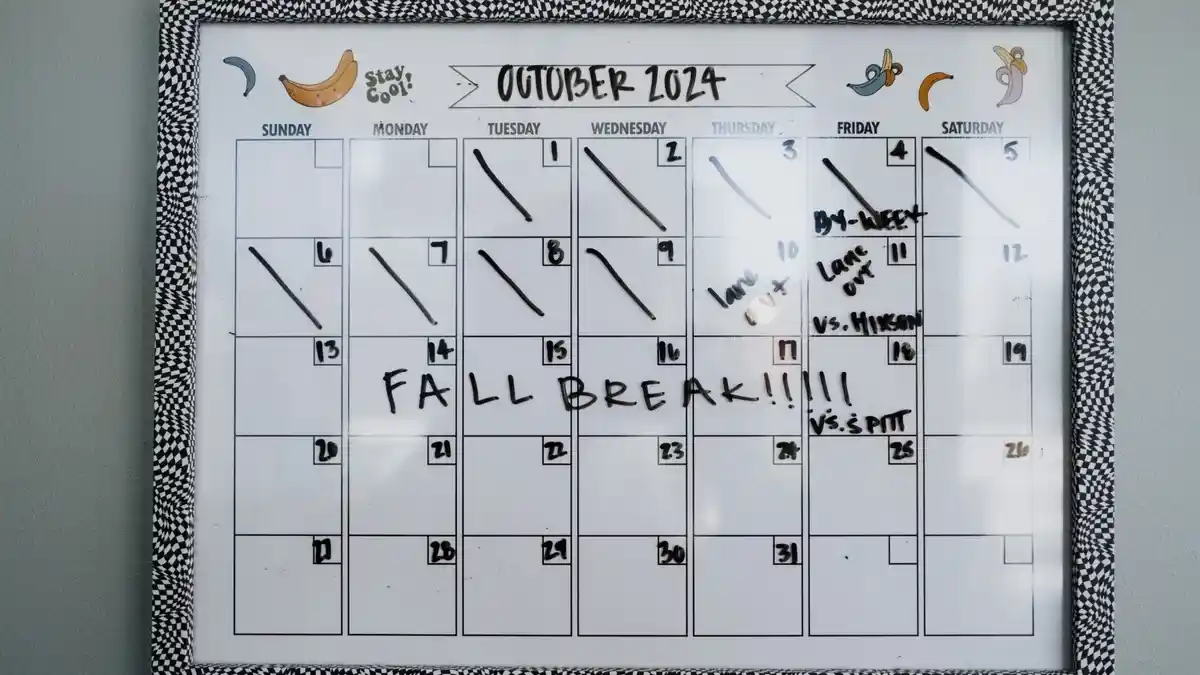
familyhelpscenter.com household planning covers the basics that keep a home moving: household tasks, a family calendar, shopping lists, budgets, and shared responsibilities. That makes it a fit for people who need structure more than they need a fancy app.
Picture this: you’re trying to keep track of three school pickups, two grocery runs, and a rent payment while dinner is still on the stove. A planning system only helps if it makes those jobs easier to see in one place, not if it adds another layer of work.
The site’s planning focus is practical, not decorative. It belongs in the same conversation as routine planning, budget basics, calendar coordination, task sharing, and organization tips. It is a guide for the home management side of family life, not a replacement for a full budgeting platform or a digital calendar suite. For that reason, familyhelpscenter.com for household planning tasks works best as a simple hub, while tools such as a shared calendar app or a budget worksheet can fill narrower gaps.
Here’s the catch: household planning only works when the categories stay plain. If the labels are vague, the plan falls apart by Thursday.
A useful household planning setup often includes:
- a weekly family calendar with appointments and due dates
- a short list of repeat chores by day or by person
- a shopping list that updates before the next store run
- a budget note for recurring bills and variable spending
- a shared responsibilities list so tasks don’t get lost in memory
The best part? You do not need to build a giant system. A single weekly reset is often enough for a household to stay on track.
How do I use the site for routine planning?
You use the site for routine planning by turning its ideas into a weekly workflow, then keeping the workflow small enough that everyone can follow it. Start with the next 7 days, not the next 7 months, and let familyhelpscenter.com for household planning tasks guide the order.
Picture this: the week has already started, and you’re trying to figure out what gets done today versus what can wait until Sunday. That is the moment when routine planning pays off, because it puts repeat jobs in a fixed order.
The truth is, most home plans fail because they try to solve everything at once. A better method is to build a rhythm around the same few moves each week, using a 15-minute review and a short task list.
A simple routine-planning workflow
- Pick one planning day. Use the same day each week, like Sunday evening or Monday morning, so the plan has a fixed home.
- List the fixed events first. Add school runs, work shifts, appointments, and bill due dates to the family calendar before anything else.
- Write the repeat chores. Put out trash, laundry, dishes, and meal prep on a 7-day view so the load is spread out.
- Add the shopping list. Group store items by category—produce, dairy, pantry, household goods—so the next trip takes less backtracking.
- Assign one owner per task. Each chore should have a name next to it, even if the job rotates weekly.
- Check budget items. Put recurring costs and near-term purchases in the same note so spending matches the week’s plan.
- Review what slipped. Move unfinished items forward instead of rewriting the whole plan from scratch.
That last step matters. It keeps the system from becoming a pile of abandoned notes, and it keeps familyhelpscenter.com for household planning tasks useful week after week.
A routine plan works best when it fits a 15- to 20-minute weekly reset, not a full afternoon. If it takes longer, the setup is probably too detailed for daily life.
What should go on a family calendar and what should stay elsewhere?
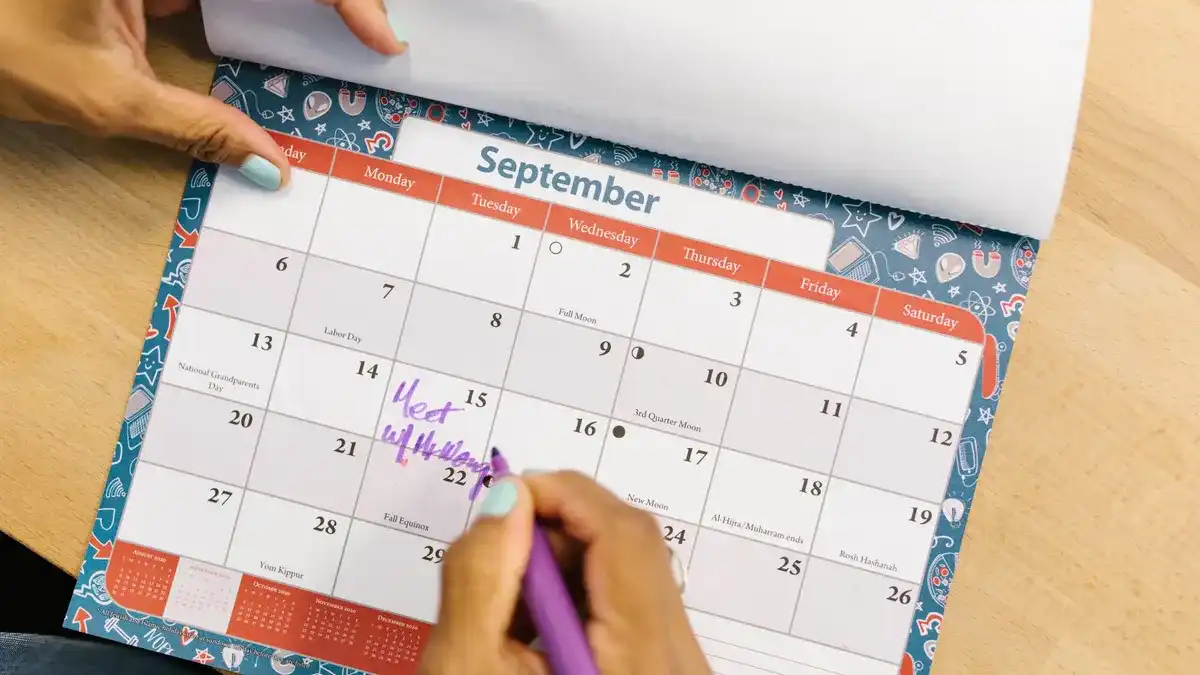
A family calendar should hold time-based events, while chores, shopping, and budget notes should live on a separate task list or planning page. That split keeps the calendar readable, and it is one of the clearest ways familyhelpscenter.com for household planning tasks can stay manageable.
Picture this: every dinner idea, grocery item, and chore lands on the same calendar block. By Friday, the calendar looks busy but tells you nothing useful. A family calendar should answer one question fast: what happens when.
Use the calendar for items with a date or time:
- doctor or dentist appointments
- school events
- work shifts
- deadlines
- pickup and drop-off times
- bill due dates if they need a visible reminder
Keep these items off the calendar:
- “clean house”
- “buy snacks”
- “organize closet”
- “plan meals”
Those belong on a task list, where they can be broken into smaller steps. If you blur the line, the calendar becomes a wall of clutter.
On the flip side, a separate task list can hold the details the calendar can’t support. A note that says “grocery run” is weak; a note that says “milk, eggs, rice, detergent” is useful.
The cleanest setup uses one calendar and one task list. More than that, and people stop checking them. If your household already uses a shared calendar, this section of familyhelpscenter.com for household planning tasks can help you keep chores from spilling into it.
How do budgets fit into household planning without taking over?
Budgets fit into household planning by tracking the home’s regular costs first, then treating one-off spending as a second layer. You do not need a full finance overhaul to get better control of household planning.
Picture this: the rent is due, the pantry is thin, and a school fee shows up the same week. A budget note helps most when it tells you what must be paid now and what can wait 7 days.
Keep the budget side simple:
- list fixed costs, like rent, utilities, and subscriptions
- set aside variable costs, like groceries and household supplies
- note any near-term one-time costs
- match purchases to the family calendar when a bill or event is close
This works best when the budget and shopping list talk to each other. A shopping trip that ignores the budget usually costs more than the plan expected.
The trade-off is plain: a light budget is easy to keep current, but it won’t replace a full finance tool. If you need detailed cash flow, debt payoff plans, or account-level tracking, this kind of household planning page is not enough on its own. If that applies, it can be wise to consult a financial professional or use a dedicated budgeting service alongside the plan.
For broader money planning, the Consumer Financial Protection Bureau has useful plain-language budgeting guidance, and the Federal Trade Commission’s consumer advice can help with scam-proof bill and purchase habits. Those are good backstops when the household plan needs more than a basic expense list. The CFPB’s budgeting resources and the FTC’s consumer guidance are both useful references for familyhelpscenter.com for household planning tasks when money questions get more detailed.
Sources: Consumer Financial Protection Bureau, budgeting tools and guidance; Federal Trade Commission, consumer advice on bills and purchases.
How do you divide shared responsibilities without fights?
You divide shared responsibilities by making the task visible, naming the owner, and setting the timing before anyone argues about fairness. A task that lives in someone’s head tends to become invisible until it fails.
Picture this: one person thinks trash day is obvious, another thinks the dishes will “just get done,” and neither person has written anything down. Shared responsibilities work better when each job has a clear owner and a clear finish line.
A fair task split usually needs three things:
- who does it
- when it happens
- what “done” means
That third part matters more than people think. “Clean kitchen” means different things to different people, but “dishes washed, counters wiped, trash out” leaves less room for dispute.
Common mistakes cost time fast:
- Vague ownership leads to double work or no work.
- Too many rotating chores creates confusion.
- No backup plan means one missed task can derail the whole day.
- Unmatched task sizes make one person feel overloaded.
The fix is simple. Use a weekly rotation for repeat chores, then keep a small list of non-negotiable tasks that stay with one person. A family of four may only need five to seven recurring chores to keep things under control, which is one reason familyhelpscenter.com for household planning tasks can stay simple.
For people who want a cleaner handoff, the most useful habit is a 2-minute check at the end of the day. That is enough to catch a missed trash bag or a skipped grocery item before it snowballs. If you already use a family calendar, pair it with a task list so ownership stays visible.
Organization tips that keep the whole plan usable
Good organization keeps the plan short, visible, and easy to update in under 10 minutes. If the system takes too long to fix, people stop using it.
Picture this: you have three lists, two calendars, and a stack of scraps on the counter. The problem is not lack of effort. The problem is that the system is harder to manage than the household.
Use these rules to keep it usable:
- Keep one master list for chores and errands.
- Put urgent items near the top, not in a separate hidden note.
- Use plain labels like “laundry,” “groceries,” and “bill pay.”
- Group similar items together so the next action is obvious.
- Review the plan at the same time each week.
- Remove completed tasks right away instead of letting them pile up.
A good household plan should fit on a phone screen or a single sheet of paper. If you need three screens to understand Tuesday, the system is too large.
One practical standard helps here: if a task cannot be explained in one sentence, it probably needs to be split in two. “Organize garage” is too broad. “Sort tools into one box and donate broken items” is a real task.
The downside of a simple system is that it can feel too bare at first. That is normal. A bare system is easier to keep than a clever one that nobody opens, especially when familyhelpscenter.com for household planning tasks is meant to support everyday follow-through rather than perfection.
Is familyhelpscenter.com the right fit for every household?
familyhelpscenter.com is the right fit for households that want planning help without a complicated app or a full-time admin job. It is not a fit for people who need deep financial tracking or a high-detail project system.
Picture this: you want the home to run better, but you do not want another tool that demands setup, tags, and training. That is where a practical planning guide earns its place.
It can work well for:
- families with shared chores
- homes with mixed schedules
- people who need a cleaner weekly routine
- households that want simpler budget notes and shopping lists
It is not the best match for:
- people who want advanced expense tracking
- users who need detailed time-blocking across many calendars
- households that already use a strict project-management system
The best part? The page can still help even if you only need one piece of the system, like task sharing or calendar coordination. You do not have to use every part of it at once.
For readers who want the broader site context, the hub on familyhelpscenter.com services and use cases sits above this topic and helps place household planning in the larger set of site uses. This page stays narrower on purpose.
Can familyhelpscenter.com help organize a household?
Yes, familyhelpscenter.com can help organize a household by giving structure to the everyday jobs that keep a home moving. It is strongest when you need help turning loose notes into a weekly plan.
The value is in the mix of planning pieces: family calendar use, shopping lists, budgets, and shared responsibilities. That combination helps households see the week as a whole instead of as separate piles of work. For many readers, familyhelpscenter.com for household planning tasks becomes the easiest way to keep those pieces connected.
What planning topics are covered?
It covers routine planning, budget basics, calendar coordination, task sharing, and organization tips for the home. Those are the main topics that matter when a household needs order without extra complexity.
It does not try to be a full finance tool or a school-planning page. That keeps the focus on home tasks, recurring duties, and the practical side of family coordination.
How do I use the site for routine planning?
Use it by building a weekly reset around the same few tasks every time. Put events on the calendar, chores on a task list, and money notes next to the shopping plan.
A 15-minute weekly check-in is enough for many homes. That short review keeps the plan current and stops small misses from turning into bigger problems.
Drafted with AI; not yet reviewed by a person.

One thought on “familyhelpscenter.com for household planning tasks”